 |


Sweet Taro Explained: Uses, Texture, and Why It’s Popular in Asian Desserts
Featured Snippet–ready summary
Sweet taro refers to cooked taro that is gently sweetened and preserved, most commonly used as ready-to-use cubes or chunks in Asian desserts, shaved ice, and bakery applications. Compared with taro paste or taro filling, sweet taro keeps its shape, offers a natural taro aroma, and provides stable texture for foodservice and manufacturing use.
What Is Sweet Taro?
Sweet taro is made from real taro roots that are steamed or cooked until tender, then lightly sweetened and preserved in syrup. The goal is not heavy sweetness, but texture stability and natural taro flavor.
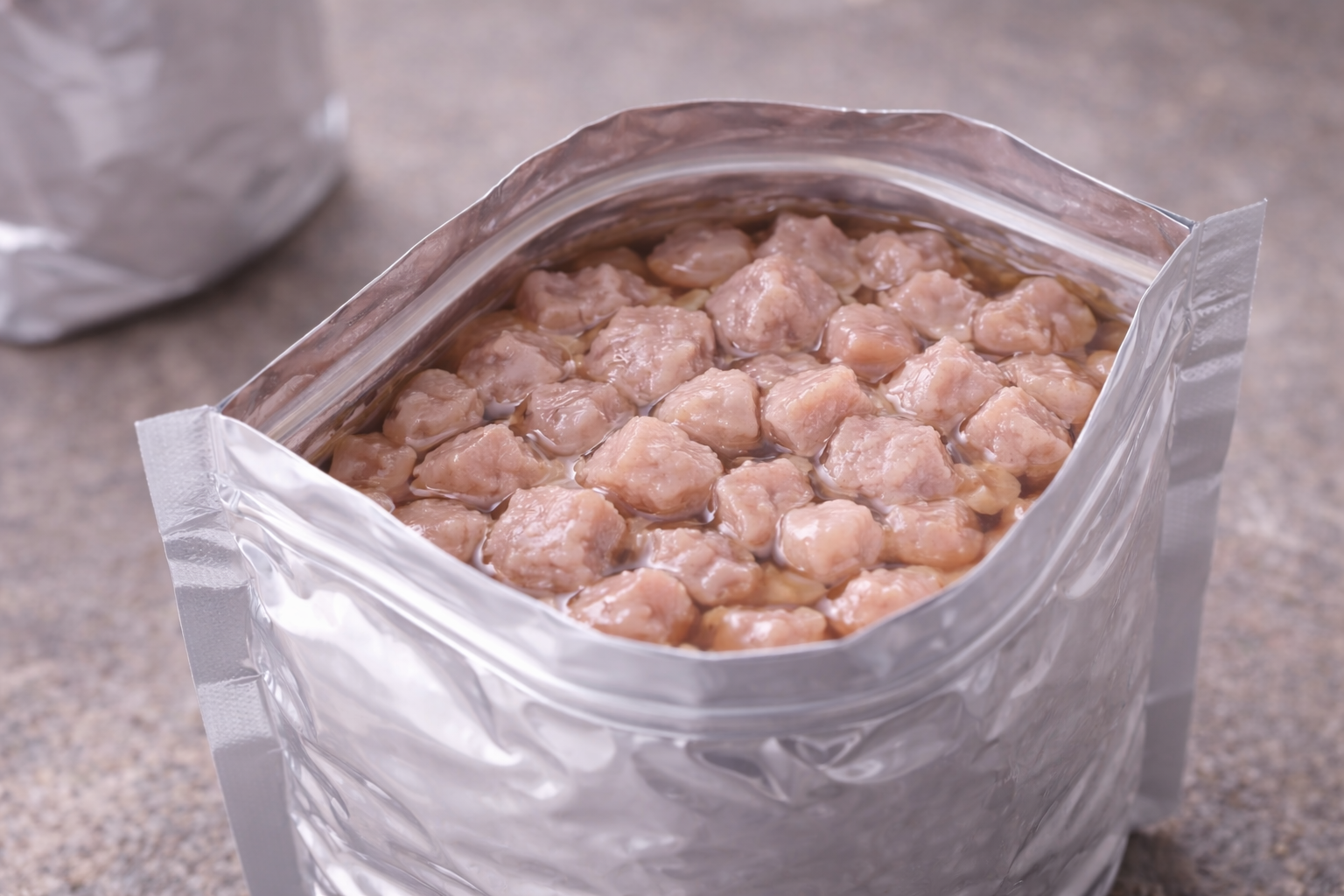
In commercial settings, sweet taro is typically prepared as:
-
Sweet taro cubes
-
Sweet taro chunks
-
Sweetened taro in syrup
These formats allow food businesses to use taro directly without peeling, cutting, or long cooking times.
How Sweet Taro Is Made
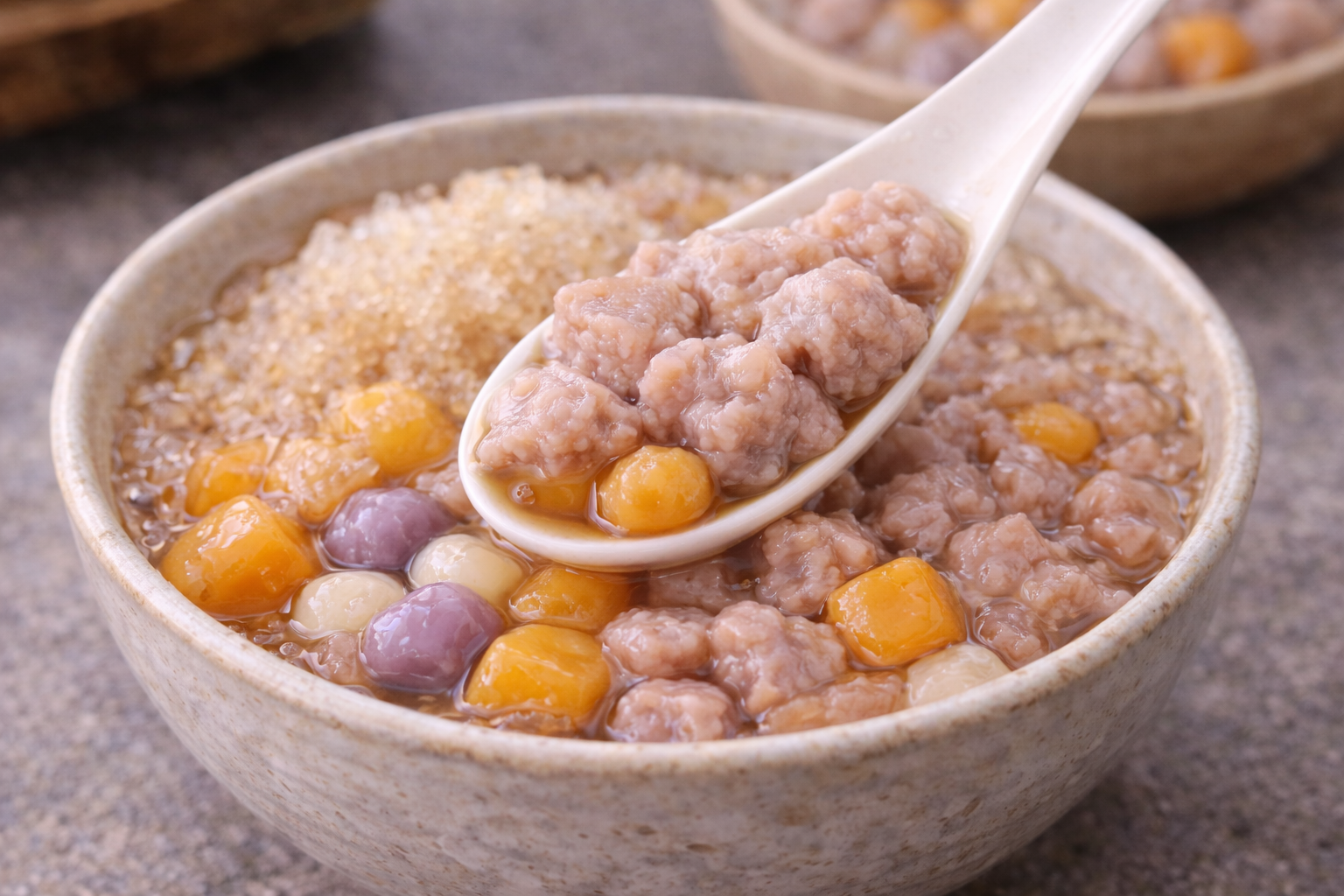
Although recipes vary, professional production generally follows these steps:
-
Selection of suitable taro varieties with stable starch structure
-
Cleaning, peeling, and cutting into uniform cubes or chunks
-
Controlled cooking to soften taro while keeping its shape
-
Gentle sweetening to balance flavor, not overpower it
-
Packaging and preservation for consistent quality
This process explains why commercially produced sweet taro performs more consistently than handmade taro in busy kitchens.
Sweet Taro vs Taro Paste vs Taro Filling
Understanding the difference is important for buyers and product developers:
-
Sweet taro: keeps its shape, ideal as dessert toppings or mix-ins
-
Taro paste: mashed and smooth, commonly used for beverages and spreads
-
Taro filling: formulated for bakery use, designed to hold shape during baking
Each product serves a different purpose. Sweet taro is chosen when visible taro pieces and texture matter.
Common Uses of Sweet Taro
Sweet taro is widely used across Asian dessert applications, including:
-
Shaved ice and ice desserts
-
Sweet soups and dessert bowls
-
Bakery toppings and inclusions
-
Frozen desserts and specialty sweets
Because sweet taro is ready to use, it helps businesses maintain consistent presentation and flavor.
Why Food Businesses Prefer Ready-to-Use Sweet Taro
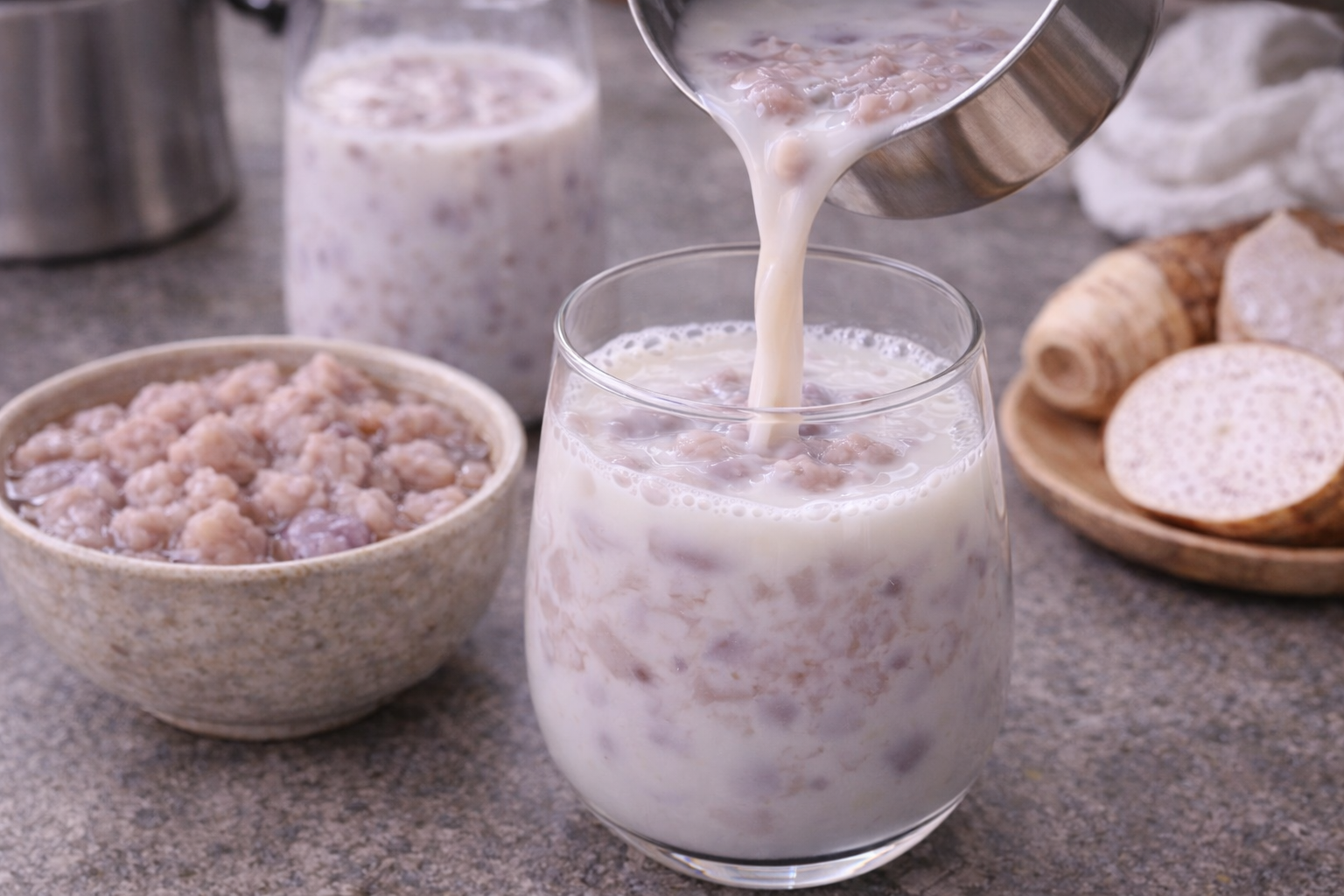
From a commercial perspective, sweet taro offers clear advantages:
-
Consistent texture across batches
-
Reduced labor and preparation time
-
Predictable cooking and serving performance
-
Easier inventory and production planning
For these reasons, many dessert brands and manufacturers source sweet taro from experienced taro processors rather than producing it in-house.
Frequently Asked Questions About Sweet Taro
Is sweet taro the same as candied taro?
No. Sweet taro is lightly sweetened to preserve taro flavor and texture, while candied taro is usually much sweeter and often coated with sugar.
Does sweet taro contain artificial flavoring?
High-quality sweet taro is made from real taro and relies on the natural aroma of the root rather than artificial flavoring.
Is sweet taro suitable for bakery use?
Yes. Sweet taro can be used as a topping or inclusion in baked goods, depending on moisture control and formulation.
How is sweet taro stored?
Storage depends on packaging and preservation method, such as refrigerated, frozen, or shelf-stable formats for commercial distribution.
Final Thoughts
Sweet taro plays an important role in modern Asian desserts by combining traditional flavor with commercial practicality. Its balance of texture, aroma, and convenience makes it a preferred ingredient for food businesses seeking consistency and efficiency.

